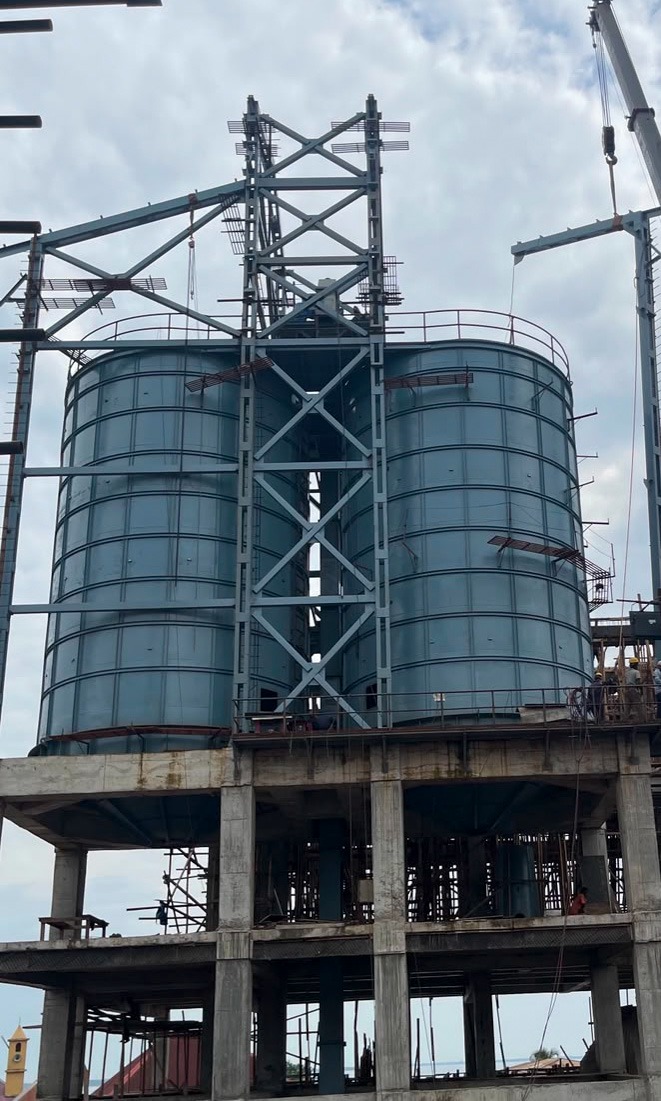
Cement Grinding
Plant Solutions
Movers India designs and builds standalone cement grinding units that convert clinker into finished cement, from 300 to 3,000 TPD capacity.
What is a Cement Grinding Plant?
It’s a facility that grinds clinker along with gypsum and additives into finished cement. Unlike an integrated plant, it carries no kiln, no raw material preparation for clinkerisation and none of the associated fuel infrastructure — which is precisely why it costs less to build and reaches production sooner.
The plant’s job begins where clinker arrives and ends at packed cement. It is also referred to as a clinker grinding plant, since clinker is the feed material the entire facility is built around.
Who Needs a Cement Grinding Plant?
Ideal for entrepreneurs looking to produce cement in markets where limestone is not available, or who do not have a limestone quarry of their own. In such cases they can buy clinker from people who produce clinker and grind it with gypsum and additives to produce cement.
Cement grinding plant model also suits established producers setting up closer to a demand centre, since transporting clinker and grinding locally is often more economical than shipping finished cement over the same distance. For these producers, a clinker grinding unit is usually the only viable route into cement manufacturing.
Grinding Circuit Options — Open Circuit & Closed Circuit
We offer open circuit grinding for simpler, lower-cost setups, and closed circuit grinding with a separator for finer, more energy-efficient, consistent cement quality. The choice is a trade-off between capital cost and product control: open circuit keeps the plant simpler to build and operate, while closed circuit costs more upfront and repays it through tighter fineness control and lower power draw per tonne over the plant’s operating life.
Open Circuit Grinding
Material passes through the ball mill just once — ground product goes straight out without being screened or returned, which gives a wider particle size distribution.
Closed Circuit Grinding
The mill’s output goes through a separator/classifier that sends coarse particles back into the mill for regrinding while only correctly sized fines move on — finer, more uniform cement quality and better energy efficiency.
Cement Types We Help You Produce (OPC, PPC & PSC)
Our grinding plants are designed to produce OPC (Ordinary Portland Cement), PPC (Portland Pozzolana Cement) and PSC (Portland Slag Cement). Proportioning and feeding are engineered with enough flexibility to move between these grades, which matters commercially because fly ash and slag availability and pricing shift over time and a plant locked to a single grade loses the ability to respond.
Ordinary Portland Cement
Portland Pozzolana Cement
Portland Slag Cement
Core Equipment in Our Grinding Plants
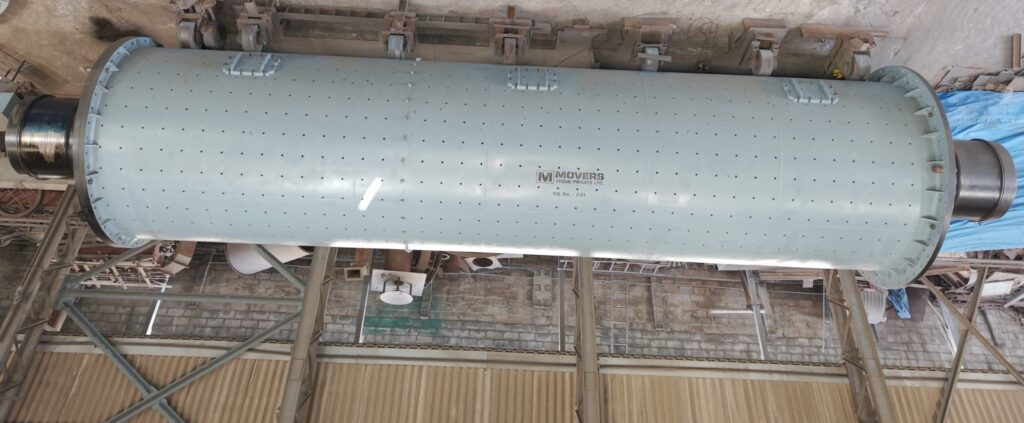
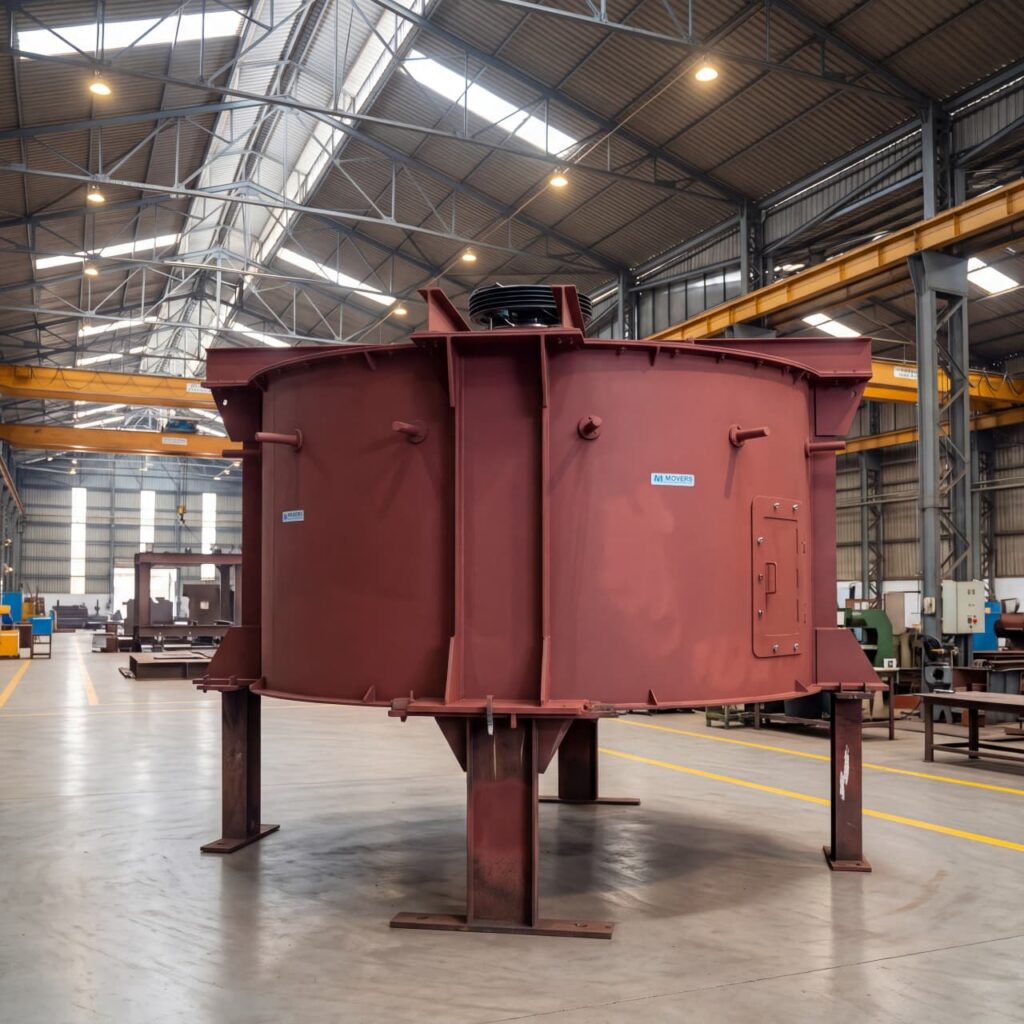
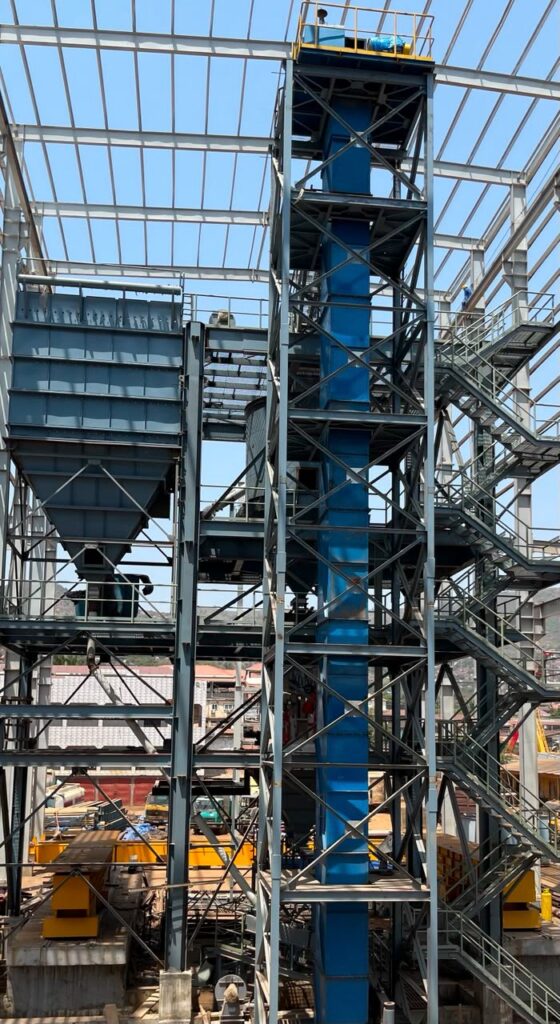
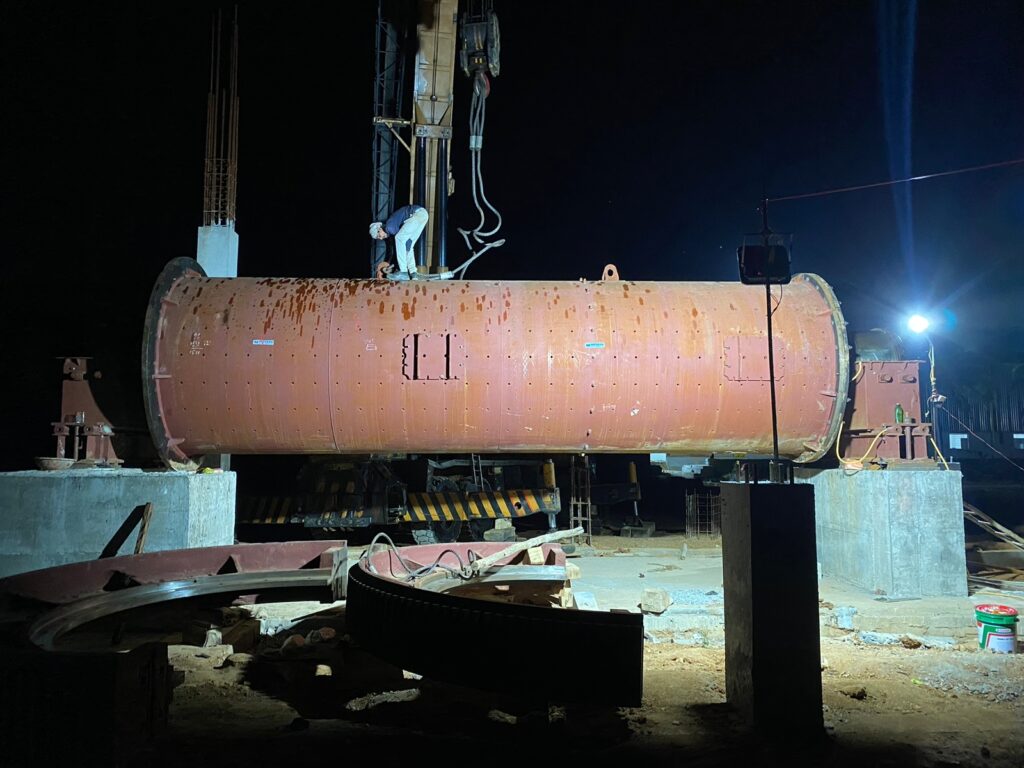
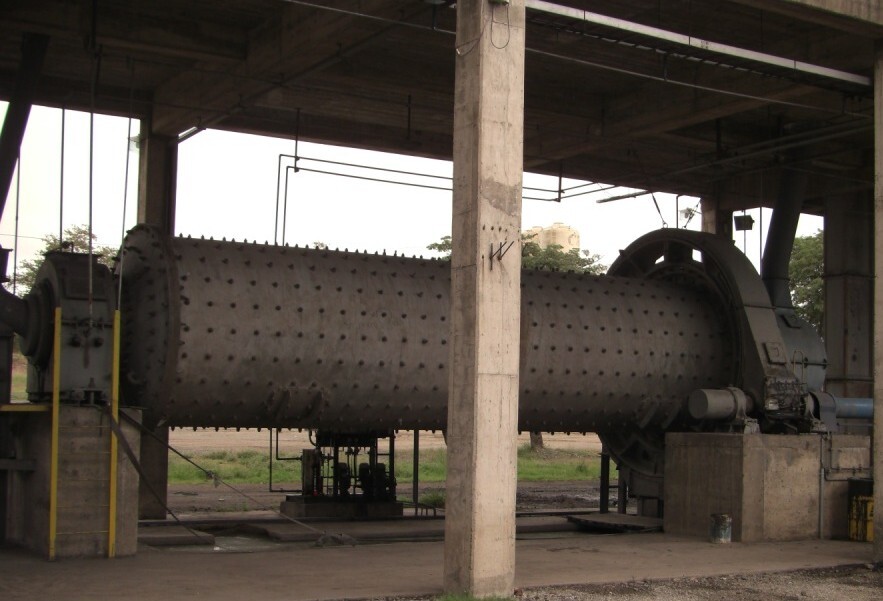
Key equipment includes ball mills, classifiers/separators, and bucket elevators — all manufactured in-house for quality and reliability.
Because the mill and the classifier come from the same works, they’re sized and supplied as a matched grinding system rather than as components bought separately and expected to work together on site.
Ball Mills
Classifiers / Separators
Bucket Elevators
From Concept to Commissioning (Our EPC Approach)
We handle the complete project lifecycle — design, equipment manufacture, civil coordination, erection, and commissioning — under single-point responsibility.
The client is never left coordinating between an equipment vendor and an erection contractor who disagree about whose scope a problem falls into.
Our Grinding Plant Project Process
From feasibility study and engineering design through manufacturing, installation, and commissioning, we manage every step to ensure a smooth plant start-up.
Feasibility Study
Engineering Design
Manufacturing
Installation
Commissioning
Manufacturing runs alongside site civil work on a common schedule, and the project closes with commissioning trials confirming the plant meets agreed output and fineness targets.
Why Choose Movers India
FAQs
In an open circuit, material passes through the ball mill just once — ground product goes straight out without being screened or returned, which gives a wider particle size distribution (some over-ground, some under-ground). In a closed circuit, the mill’s output goes through a separator/classifier that sends coarse particles back into the mill for regrinding while only correctly sized fines move on. This gives finer, more uniform cement quality and better energy efficiency.
OPC, PPC and PSC.
With in-house manufacturing and decades of EPC experience since 1979, we deliver reliable grinding plants backed by proven execution across multiple countries.
Clients work directly with promoter-level decision-makers, which keeps project communication short and direct.
Ask Our Team
Have a question? Send us a message and we’ll get back to you.
Get a Free Consultation
Talk to our team about your cement grinding plant — from feasibility to commissioning.